

.6).png.2604221323047.webp)
Springtime flowers may be beautiful, but they also bring an unwelcome side effect: pollen. If you live along Utah’s Wasatch Front, especially in Ogden, Provo, or Salt Lake City, you may have noticed your allergies worsening over the past few years.
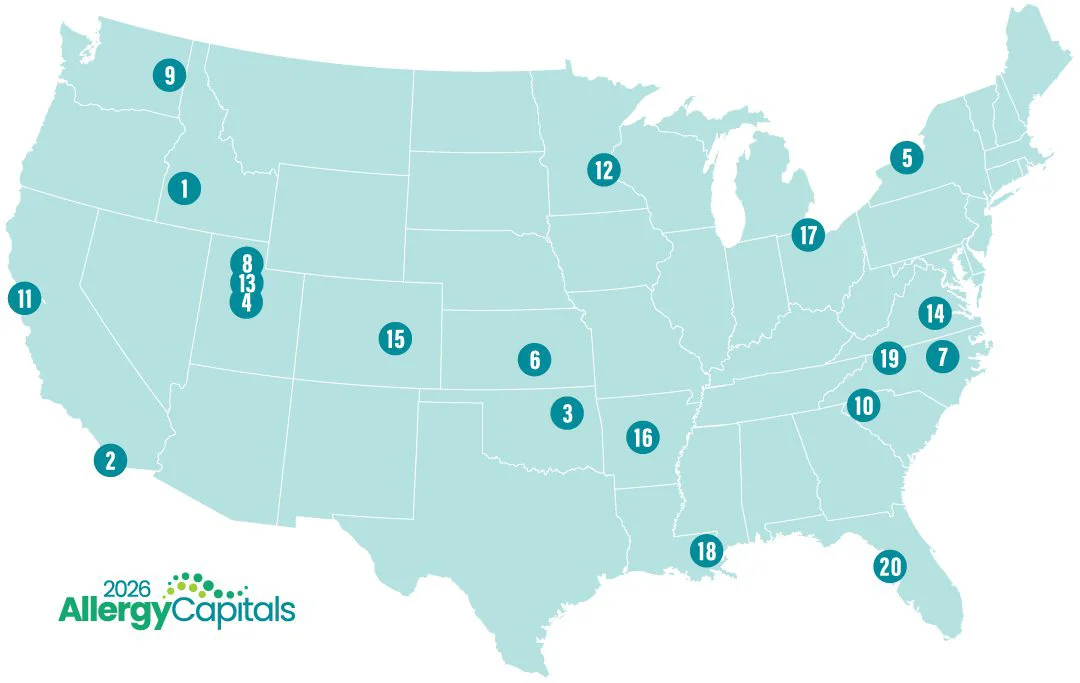
Earlier this month, the Asthma and Allergy Foundation of America released its 2026 Allergy Capitals Report, and the findings were striking: Utah ranked among the worst states in the country for seasonal allergies. Out of the top 20 “allergy capitals,” Provo ranked #4, Ogden came in at #8, and Salt Lake City landed at #13.
So why is Utah ranking so high? We spoke with board-certified otolaryngologist and allergist Dr. Joshua Bradshaw to better understand what’s driving these numbers, and what you can do to manage symptoms this season.
Why Does Utah Rank So High for Allergy Capitals?
The short answer: geography.
The same natural basin that gives Utah its world-class snow (most years) and winter inversions also traps pollen and allergens along the Wasatch Front. Wind circulates these particles, while warmer, longer springs extend the pollen season.
“We have really dry and windy conditions, so airborne allergens continue to recirculate here,” says Dr. Bradshaw. “Utah also has a wide mix of vegetation, including highly allergenic trees like juniper, oak, cottonwood, and box elder. Each of these has different pollen seasons, which can trigger prolonged allergy symptoms.”
The AAFA determines Allergy Capital rankings based on three primary factors:
- Tree, grass, and weed pollen scores
- Over-the-counter allergy medication use
- Availability of board-certified allergists and immunologists
What Can Utahns Do to Mitigate Allergy Symptoms This Spring?
According to Dr. Bradshaw, awareness is the first step.
“A lot of patients have already been tested and know what they’re allergic to,” he explains. “Using a pollen tracker app can help you monitor levels. For example, if oak pollen is high, you can try to limit your time outdoors during peak periods.”
Additional recommendations include:
- Keeping windows and doors closed when pollen counts are high
- Using a HEPA air filter at home
- Dusting and vacuuming frequently
- Washing bedding regularly in hot water
- Showering after spending time outdoors
- Avoiding sleeping with a fan during allergy season
“Fans can blow allergens directly into your face and dry out your sinuses, which can make symptoms worse,” Dr. Bradshaw adds.
What Treatments Do Allergists Recommend?
Eye Drops
- Dr. Bradshaw recommends over-the-counter antihistamine eye drops like Pataday for relief from itchy, watery eyes.
Oral Allergy Medications
- Common options include Zyrtec, Allegra, and Claritin.
Allergy Treatments
- Dr. Bradshaw and his team offer same-day or next-day appointments during peak allergy season. Services include allergy testing, immunotherapy (allergy shots and drops), and comprehensive allergy care—all performed in-house.
If your allergies are becoming harder to manage, it may be time to move beyond over-the-counter solutions and consult a specialist. With the right combination of prevention, monitoring, and treatment, you can take control of your symptoms and enjoy spring in Utah again.
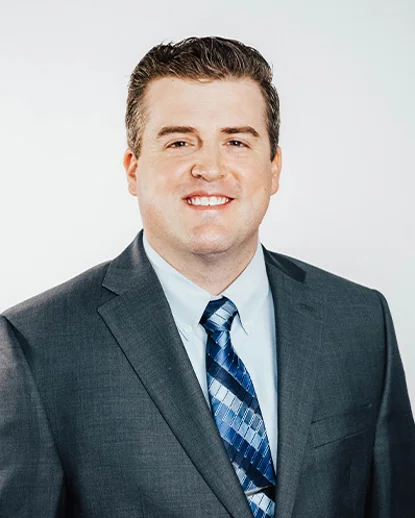
Dr. Joshua Bradshaw is a Board Certified Otolaryngologist and Allergy Specialist located at Mountain West ENT Bountiful | Ogden Clinic.