

.jpg.2610201004009.webp)
Bleach in your bath? Maybe. Beef tallow on your face? Pass.
When you have eczema, advice comes from everywhere: social media, family members, even the baking aisle. But which tips deserve a try? We asked dermatologist Adam Taintor, MD, to sort through some surprising remedies and everyday product choices. Here’s what gets his endorsement.

It sounds like the last thing you’d want near sensitive skin. Yet dermatologists sometimes recommend very diluted bleach baths for certain people with eczema to help manage symptoms and recurring skin infections.
Dr. Taintor favors this approach over a vinegar bath or a bubble bath—but this is a treatment to discuss with your dermatologist before trying.
The amount matters. Your provider should explain which bleach to use, how much water you need, and how often to soak. Never apply bleach directly to your skin or mix it with vinegar or other cleaners.
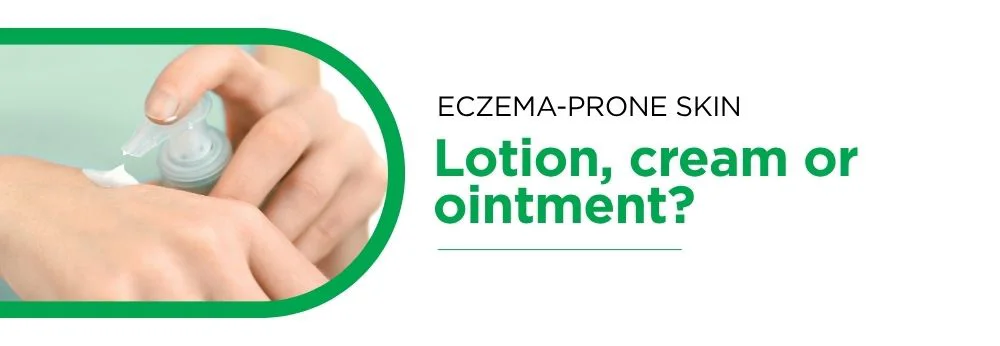
That lightweight lotion might feel nice, but eczema-prone skin often needs more help holding onto moisture. Dr. Taintor’s ranking: ointment first, cream second, lotion last.
Cream creates a stronger barrier than lotion. Ointment does an even better job sealing in moisture, though its greasy feel isn’t everyone’s favorite. "If you hate the way ointments feel, I tell my patients to use ointment before bed and creams during the day," says Dr. Taintor.
Your clothes, sheets, and towels spend hours against your skin, so what you wash them in matters. Dr. Taintor recommends fragrance-free, dye-free detergent over something that claims to be gentle, such as Dreft. A product’s baby-friendly reputation doesn’t necessarily make it the best choice for eczema-prone skin.
“Unscented” isn’t the same as “fragrance-free”: A product can have no noticeable smell and still contain fragrance ingredients used to mask other odors. Look for “fragrance-free,” whether you’re shopping for cleanser, moisturizer, or detergent. Those small label differences can matter for sensitive skin.

“All-natural" isn't enough to earn a spot in your skin care routine, says Dr. Taintor. He generally advises skipping beef tallow and Crisco because they aren’t formulated for eczema care and may irritate the skin or clog pores (comedogenic).
Instead, he recommends moisturizers made for sensitive skin that contain a blend of nourishing ingredients, such as CeraVe cream, or an ointment like Aquaphor. There’s another perk to skipping beef tallow: Your moisturizer won’t smell like French fries.
---