Fatty liver is an umbrella term that applies to many different conditions,
including alcoholic fatty liver disease (AFLD) and nonalcoholic fatty
liver disease (NAFLD).
AFLD is caused by alcohol-related damage, which makes the liver unable to efficiently process fat cells, so it
stores them instead. This condition will typically reverse itself if you
stop drinking.
NAFLD is often associated with obesity, high blood pressure and type 2
diabetes. When liver cells accumulate too much fat, they burst and your body replaces
them with fibrosis. NAFLD is often categorized in four stages:
Fatty liver/steatosis: Fat deposits in liver cells.
Nonalcoholic steatohepatitis (NASH): The presence of scar tissue and inflammation of the liver.
Cirrhosis: Almost complete replacement of liver cells with scar tissue.
Liver failure: Liver is no longer able to function and requires a transplant.
Don’t wait for symptoms of late-stage liver disease before seeking
treatment.
Late-stage fatty liver disease (cirrhosis) occurs when fibrosis has replaced
enough liver cells to inhibit normal function. Serious symptoms are present
at this point, including:
Extreme fatigue
Jaundice (yellowing of the skin and eyes)
Memory loss and/or confusion
Pain in the upper right portion of your abdomen
Shaky hands, or difficulty performing tasks requiring motor skills, such
as writing
----
Ogden Clinic Gastroenterologists have decades of combined experience handling
conditions of the liver, pancreas, and biliary system. Although fatty
liver disease is common, it's a manageable condition when caught early
and with diligent adherence to a treatment plan. Take the first step toward
improving your symptoms by contacting Ogden Clinic's GI team.



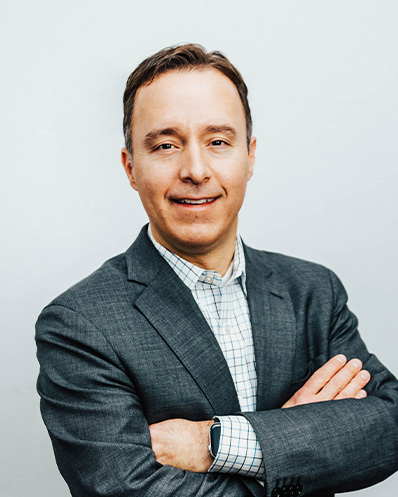 Chad Gonzales MDSpecialties
.2111081525491.jpg) Robert Ziegler MDSpecialties
Robert Ziegler MDSpecialties Joshua Vandersteen DOSpecialties
 Stacie Egan FNP-C,DNPSpecialties
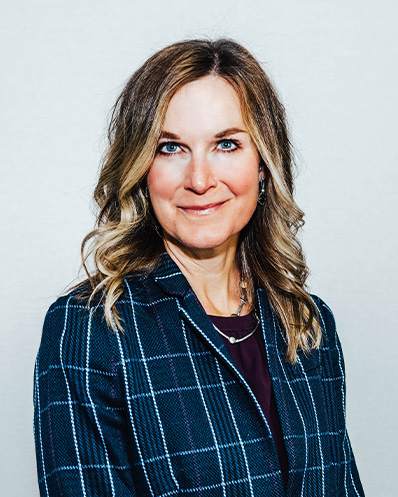 Ruth Earley FNP-CSpecialties
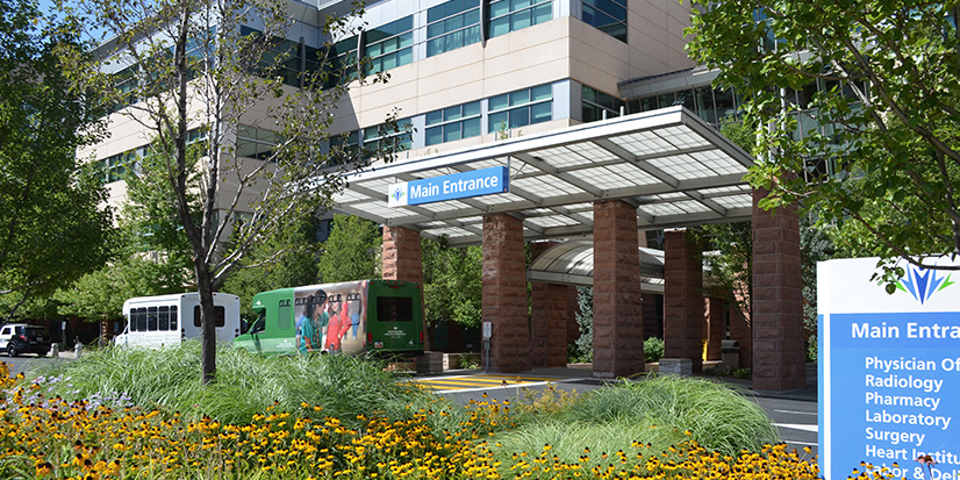 McKay-Dee Hospital Specialty Center 4403 Harrison Boulevard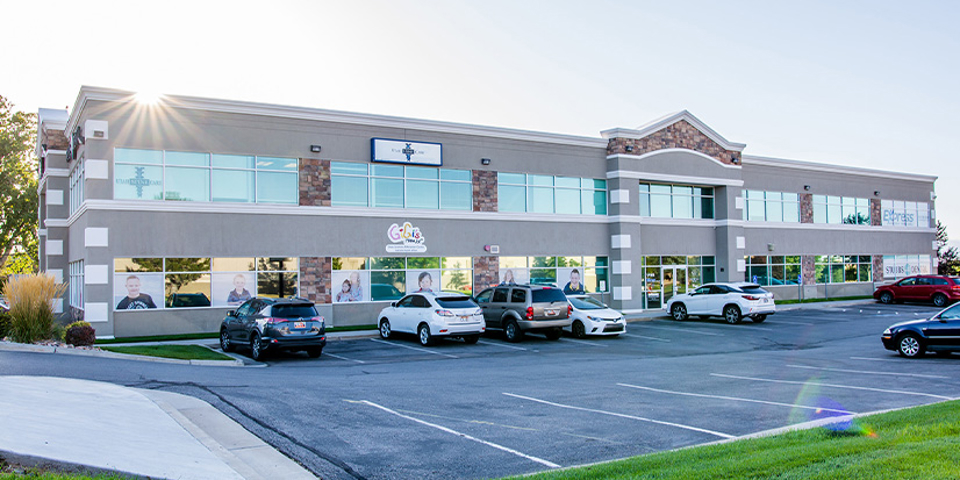
 This Awkward Conversation Could Save Dad’s Life
 What Is the Difference Between Mineral Sunscreen and Chemical Sunscreen?
 Crank It Up: Music Offers Some Profound Health Benefits



.2111110717280.jpg) 6 Stages of Getting a Colonoscopy | Ogden Clinic
6 Stages of Getting a Colonoscopy | Ogden Clinic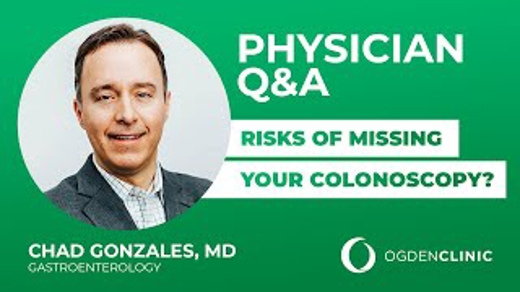 A dangerous trend surfaced in 2020: Postponing colonoscopies and other health screenings.
 Colon Cancer Awareness Month with Dr. Kyle Dunning
 Don't Take Chances with Colon Cancer | Dr. Vandersteen on Fox 13 The Place
 Ep. 54: Colon Cancer Risks and Stats | The Scope
 Ep. 60: Symptoms that May Point to IBS | The Scope
 Ep. 71: Acid Reflux | The Scope
 Ep. 73: External Hemorrhoids | The Scope
 Ep. 75: Fissures | The Scope
.2111101245298.jpg) Heartburn Getting Worse? Dr. Vandersteen Discusses this Common Condition
Heartburn Getting Worse? Dr. Vandersteen Discusses this Common Condition

