Inflammatory bowel disease (IBD) is a group of disorders that cause chronic
inflammation of the intestines. There are a few main types of IBD including
small intestine bacteria overgrowth (SIBO), ulcerative colitis, and Crohn’s disease.
Common signs and symptoms of IBD may include:
Diarrhea
Blood in stool
Fatigue
Reduced appetite
Weight loss or abdominal pain
These conditions can affect people of all ages, but most commonly affects
people between the ages of 15-30. The exact cause of IBD is unknown, however,
experts believe it may be caused by an immune system malfunction or hereditary factors.
How is Inflammatory Bowel Disease (IBD) treated?
While there is no cure for IBD, treatment is done to help reduce the inflammation
that causes symptoms. There are a number of different drug therapies that
can be used to manage the disease, including the following:
5-ASAs: Aminosalicylates (5-ASAs) are often the first treatment option for mild
to moderate ulcerative colitis. They may also be less often prescribed
for mild Crohn’s disease. These medications work by reducing inflammation
and allowing damaged tissues to heal.
Antibiotics: Antibiotics can be used to treat complications associated with IBD such
as abscesses and fistulas as well as for treatment of other IBD symptoms.
They are often used in conjunction with other drugs.
Corticosteroids: Corticosteroids such as prednisone work to help lower inflammation in
the GI tract. However, they should only be used on a short-term basis,
as they have a high potential for side effects.
Immunosuppressants: These medications work by suppressing the immune system to reduce levels
of inflammation in those with IBD.
Diet and lifestyle changes: In addition to drug therapies, most patients living with IBS/IBD benefit
greatly from identifying triggering foods and avoiding them. The food(s)
you may need to restrict depend on the type of irritable bowel disease you have.



 Chad Gonzales MDSpecialties
.2111081525491.jpg) Robert Ziegler MDSpecialties
Robert Ziegler MDSpecialties Joshua Vandersteen DOSpecialties
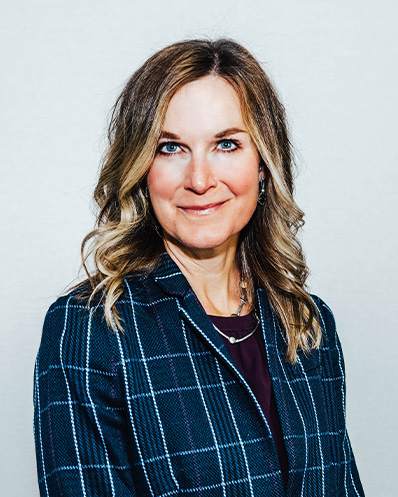
 Stacie Egan FNP-C,DNPSpecialties
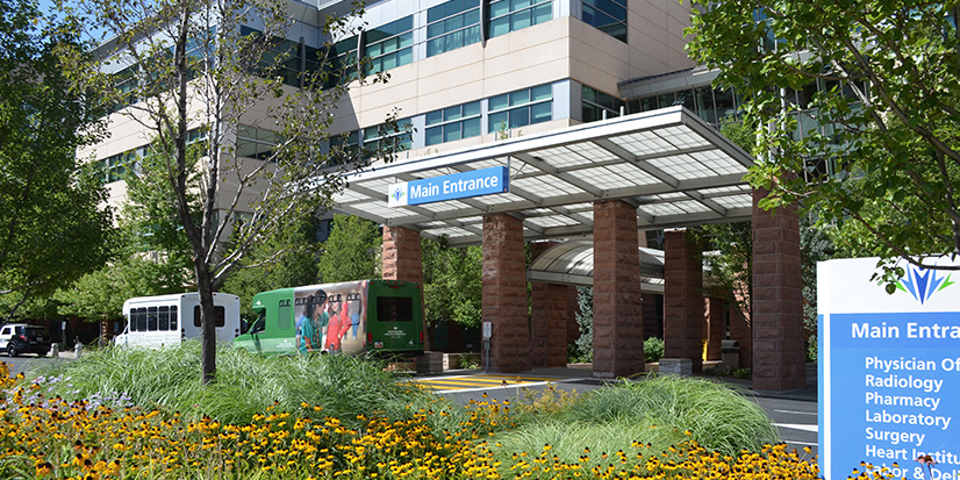
 Ruth Earley FNP-CSpecialties
 McKay-Dee Hospital Specialty Center 4403 Harrison Boulevard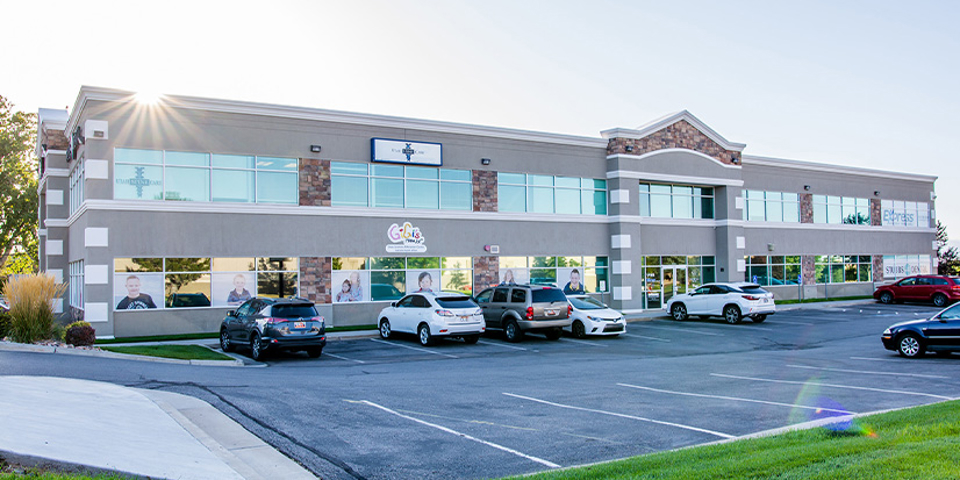
 This Awkward Conversation Could Save Dad’s Life
 What Is the Difference Between Mineral Sunscreen and Chemical Sunscreen?
 Crank It Up: Music Offers Some Profound Health Benefits



.2111110717280.jpg) 6 Stages of Getting a Colonoscopy | Ogden Clinic
6 Stages of Getting a Colonoscopy | Ogden Clinic A dangerous trend surfaced in 2020: Postponing colonoscopies and other health screenings.
 Colon Cancer Awareness Month with Dr. Kyle Dunning
 Don't Take Chances with Colon Cancer | Dr. Vandersteen on Fox 13 The Place
 Ep. 54: Colon Cancer Risks and Stats | The Scope
 Ep. 60: Symptoms that May Point to IBS | The Scope
 Ep. 71: Acid Reflux | The Scope
 Ep. 73: External Hemorrhoids | The Scope
 Ep. 75: Fissures | The Scope
.2111101245298.jpg) Heartburn Getting Worse? Dr. Vandersteen Discusses this Common Condition
Heartburn Getting Worse? Dr. Vandersteen Discusses this Common Condition

