Small Intestinal Bacterial Overgrowth (SIBO) is a digestive condition that
occurs when there is an excessive amount of bacteria in the small intestine.
While bacteria naturally reside in the gut, an overgrowth in the small
intestine can cause uncomfortable symptoms and disrupt normal digestion.
SIBO is often linked to irritable bowel syndrome (IBS), chronic bloating,
and food intolerances. If left untreated, it can contribute to malabsorption
of nutrients, leading to deficiencies in vitamins like B12 and fat-soluble
vitamins (A, D, E, and K).
Symptoms of SIBO
The symptoms of SIBO can be similar IBS and other digestive disorders,
which make it difficult to diagnose without proper testing. Common signs
of SIBO include:
Chronic bloating and excessive gas
Abdominal pain or discomfort
Diarrhea, constipation, or alternating
Unexplained weight loss
Fatigue and brain fog
Nausea and acid reflux
Food intolerances, especially to carbohydrates and fermentable foods
If you frequently experience these symptoms, you may have an imbalance
in your gut bacteria that requires medical attention.
How is SIBO Diagnosed?
Diagnosing SIBO involves specialized testing, often through a
lactulose or glucose breath test. This test is available at Ogden Clinic and measures the levels of hydrogen
and methane gases produced by bacterial fermentation in your small intestine.
Very high gas levels indicate an overgrowth of bacteria.
In some cases, additional testing may be needed to evaluate underlying
causes, such as motility disorders or conditions like IBS, celiac disease,
or Crohn’s disease.
SIBO Treatment and Management
Here's how the GI team at Ogden Clinic may manage patients with SIBO...
1. Antibiotic Therapy: Prescription antibiotics, such as rifaximin, are often used to reduce bacterial
overgrowth in the small intestine without disrupting healthy gut bacteria.
2. Dietary Modifications: A low-FODMAP diet or Specific Carbohydrate Diet (SCD) can help minimize
symptoms by reducing fermentable carbohydrates that feed bacterial overgrowth.
3. Prokinetics for Gut Motility: Prokinetic medications or natural motility agents, such as ginger, help
stimulate gut movement and prevent SIBO from recurring.
4. Addressing Underlying Conditions: Since SIBO is often linked to conditions like IBS or slow gut motility,
treating these root causes is key to long-term relief.
If you are have constant bloating, digestive discomfort, or any symptoms
above, our gastroenterology team is here to help. We specialize in
SIBO diagnosis, breath testing, and effective treatment plans tailored to your unique gut health needs.



 Chad Gonzales MDSpecialties
.2111081525491.jpg) Robert Ziegler MDSpecialties
Robert Ziegler MDSpecialties Joshua Vandersteen DOSpecialties
 Stacie Egan FNP-C,DNPSpecialties
 Ruth Earley FNP-CSpecialties
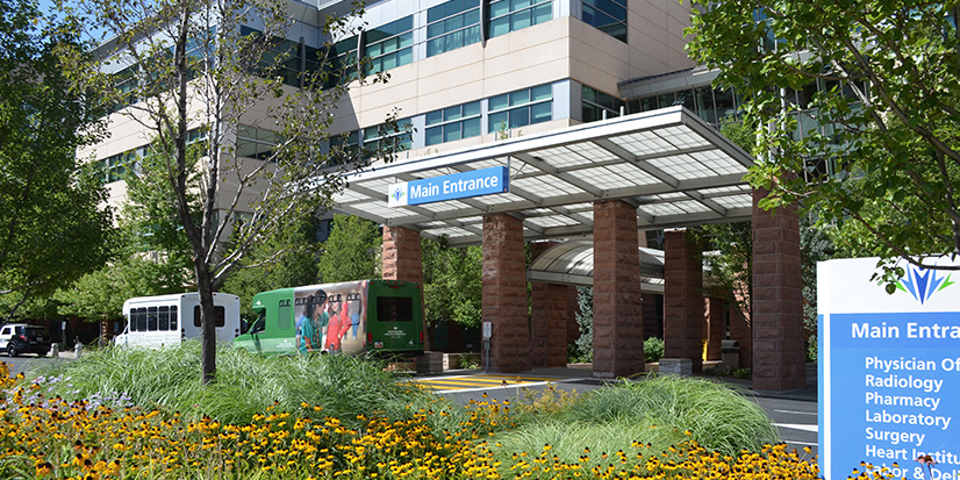 McKay-Dee Hospital Specialty Center 4403 Harrison Boulevard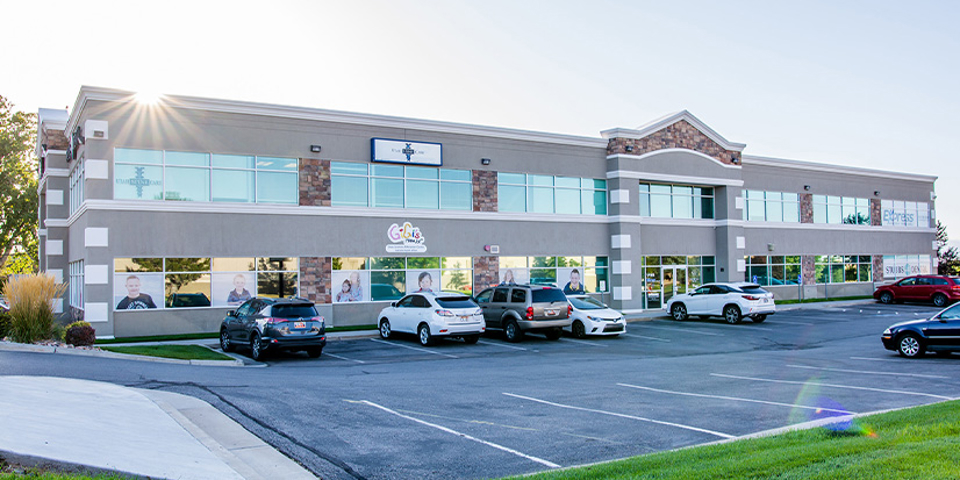
 This Awkward Conversation Could Save Dad’s Life
 What Is the Difference Between Mineral Sunscreen and Chemical Sunscreen?
 Crank It Up: Music Offers Some Profound Health Benefits



.2111110717280.jpg) 6 Stages of Getting a Colonoscopy | Ogden Clinic
6 Stages of Getting a Colonoscopy | Ogden Clinic A dangerous trend surfaced in 2020: Postponing colonoscopies and other health screenings.
 Colon Cancer Awareness Month with Dr. Kyle Dunning
 Don't Take Chances with Colon Cancer | Dr. Vandersteen on Fox 13 The Place
 Ep. 54: Colon Cancer Risks and Stats | The Scope
 Ep. 60: Symptoms that May Point to IBS | The Scope
 Ep. 71: Acid Reflux | The Scope
 Ep. 73: External Hemorrhoids | The Scope
 Ep. 75: Fissures | The Scope
.2111101245298.jpg) Heartburn Getting Worse? Dr. Vandersteen Discusses this Common Condition
Heartburn Getting Worse? Dr. Vandersteen Discusses this Common Condition

