The flu shot works by injecting a weakened form of the flu virus so the body will begin developing antibodies to protect against the virus. Each year, flu vaccines are developed to protect against these three primary forms of influenza virus:
Influenza A (H1N1)
Influenza A (H3N2)
Influenza B
When to Get a Flu Shot
The CDC encourages individuals to get vaccinated before the end of September. In the US, flu season typically begins in early September and may run until as late as May. Peak seasons for influenza are December, January, and February.
Both COVID-19 and flu can have varying degrees of signs and symptoms, ranging from no symptoms (asymptomatic) to severe symptoms. Common symptoms that COVID-19 and flu share include:
Fever or feeling feverish/chills
Cough
Shortness of breath or difficulty breathing
Fatigue (tiredness)
Sore throat
Runny or stuffy nose
Muscle pain or body aches
Headache
Some people may have vomiting and diarrhea, though this is more common in children than adults
Flu differences: Flu viruses can cause mild to severe illness, including common signs and symptoms listed above.
COVID-19 differences; COVID-19 seems to cause more serious illnesses in some people. Other signs and symptoms of COVID-19, different from flu, may include change in or loss of taste or smell.
People who are moderately or severely ill should usually wait until they recover before getting the flu shot or the updated COVID-19 vaccine. If you are ill, check with your healthcare provider first. People with mild illness can usually receive the vaccine.
The CDC highly recommends flu vaccinations during any stage of pregnancy. If you have questions or concerns, please check with your healthcare provider.
Have questions? We are here to help. Still have questions or can't find the answer you need? Give us a call at 801-475-3500 today!
The flu vaccine will not protect you against COVID-19; however, flu vaccination has other important benefits such as reducing the risk of flu illness, hospitalization, and death.
Annual flu vaccination is recommended for all children ages 6 months and up. If your infant is less than 6 months old, those around your baby should receive the vaccine to protect the baby, as infants are one of the highest risk groups for complications of influenza. For all kids age 6 months to 5 years, as well as those with chronic medical conditions, the benefits of the vaccine far outweigh the risks.
Nope. Flu shots at Ogden Clinic are available on a walk-in basis.
Our flu shots have a $0 co-pay with nearly all insurance plans*. If you are not using insurance, the self-pay rates are as follows:
Fluad High Dose (Encouraged for patient age 65+): $105
Flucelvax (6 months and older): $45
FluMist (age 2 to 49): $60
*Check with your insurance carrier beforehand, providers and plans will vary.
The flu vaccine is most effective in the first three months after getting the shot, but it lasts for about six months. Over time, antibody levels decline and changes in the flu strain from year to year mean the antibodies you do have are less effective against new strains.
Different flu shots are approved for people of different ages. Everyone should get an influenza vaccine that is appropriate for their age except for:
Children younger than 6 months of age are too young to get a flu shot.
People with severe, life-threatening allergies to flu vaccine or any ingredient in the vaccine. This might include gelatin, antibiotics, or other ingredients.
The elderly, people with weakened immune systems, and people with existing respiratory conditions like asthma or lung disease are at risk of having more complex complications if they were to contract a virus.




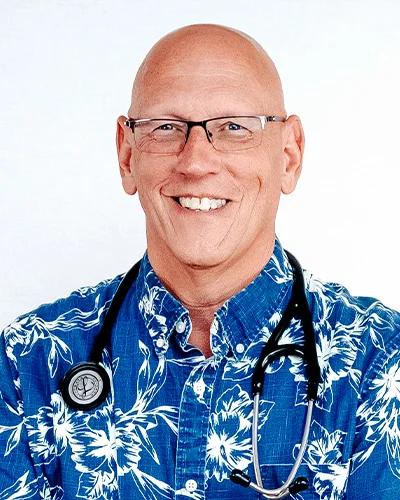 Keith Elkins MDSpecialties
 Dustin Huntzinger MDSpecialties
 Glenn Robertson MDSpecialties
 Mitchell Cooney MDSpecialties
 Richard T Stevens MDSpecialties
 Michael DeLange MDSpecialties
 Thomas Clark MDSpecialties
 Jonathan Weeks MDSpecialties
 David Cope MDSpecialties
 Mark Christian MDSpecialties
 Casey Stelter MDSpecialties
 Douglas S Kasteler MDSpecialties
 Kurtis (K.C.) Woolf MDSpecialties
 Daniel Broadbent MDSpecialties
 Darin Winn MDSpecialties
 John Hemmersmeier MDSpecialties
 Raymond Ward MD,PhDSpecialties
 Matthew Hagemeyer MDSpecialties
 Bryce Peterson MD,FAAFP,FABOMSpecialties
 Enrique Baires MDSpecialties
 Darek Eggleston DOSpecialties
 Dallin Erickson DOSpecialties
 Mary Ellen Mason DOSpecialties
 Kelly Amann DOSpecialties
 Grace O'Brien DOSpecialties
 Nathan Brown DOSpecialties
 Christopher Davis DOSpecialties
 Andrew Grose DOSpecialties
 Bryce Galbraith DOSpecialties
.2405281140182.png) James Mathews DOSpecialties
James Mathews DOSpecialties Eric Stapley DOSpecialties
 William (Rob) Whittier DOSpecialties
 Jordyn Brown PA-CSpecialties
 Jamison Rees FNP-CSpecialties
 Terra Rockenfield PA-CSpecialties
 Stephanie Harrison FNP-C,IBCLCView Profile
 Kerry Cox PA-CSpecialties
 Rachel Rose PA-CSpecialties
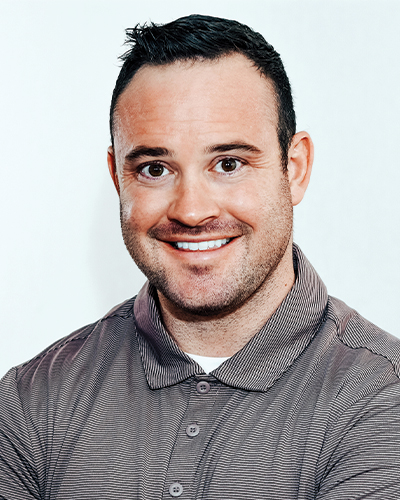 Skyler Nicholas FNP-BCSpecialties
 Marty Johnson FNP-CSpecialties
 Elle D Weese AGACNP-BC,ABHRTView Profile
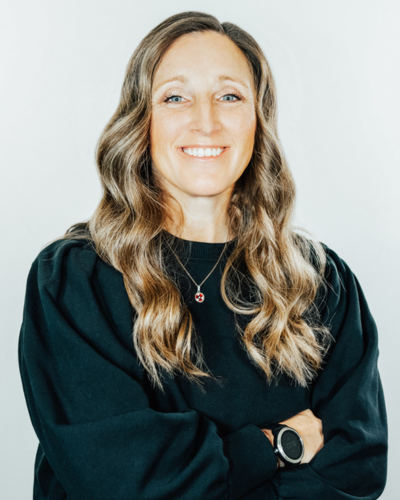 Cami Peterson FNP-CSpecialties
 Russell Doxey FNP-CSpecialties
 Graham Burdett PA-CSpecialties
 Traci Allison FNP-CSpecialties
 Tallie Rhead PA-CSpecialties
 Sarah Wadhams FNP-CSpecialties
 Scott Beenfield PA-CSpecialties
 Carson Close PA-CSpecialties
 Robert Gertge PA-CSpecialties
 Clint Robins PA-CSpecialties
 Jamie Woodbury FNP-CSpecialties
 Emily Meyerhoffer NP-CSpecialties
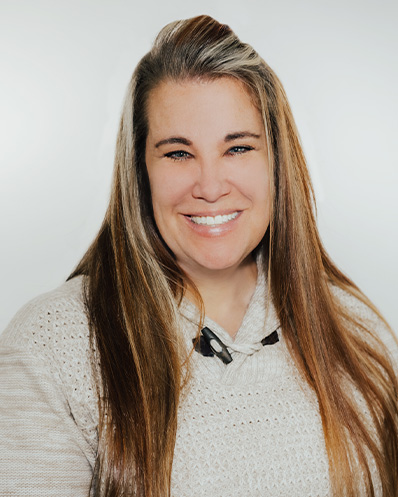 Jody Fowers FNP-BC,APRN,FNP-BCSpecialties
 Caleb Knight PA-CSpecialties
 Jennifer Crafton FNP-CSpecialties
 Brittany Kester PA-C,ATSpecialties
 D. Carl Christensen FNP-CSpecialties
 Eric Johnson PA-CSpecialties
 Shelby Holmes FNP-CSpecialties
 Michael Browne PA-CSpecialties
 Jessica Wozab PA-CSpecialties
 Kayleen Wilson FNP-CSpecialties
 Lane Heder PA-CSpecialties
 Lesley Nielson FNP-C,AGACNPSpecialties
 Justin Haslam FNP-CSpecialties
 Michelle Wasden PA-CSpecialties
 Lisa Miconi-Correa FNP-BC,FNP-BCSpecialties
 Kerry Reynolds PA-CSpecialties
 Elizabeth Thompson FNP-CSpecialties
 William Tyler Franklin III PA-C,MPASSpecialties
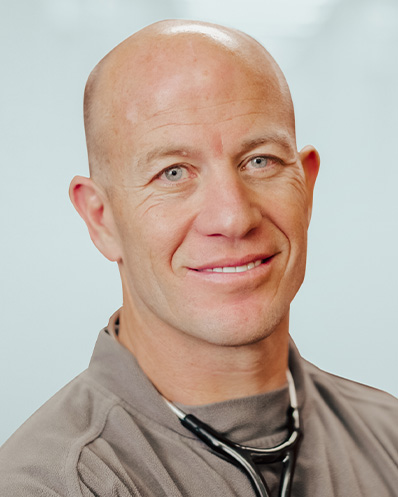 Brett Arbon FNP-CSpecialties
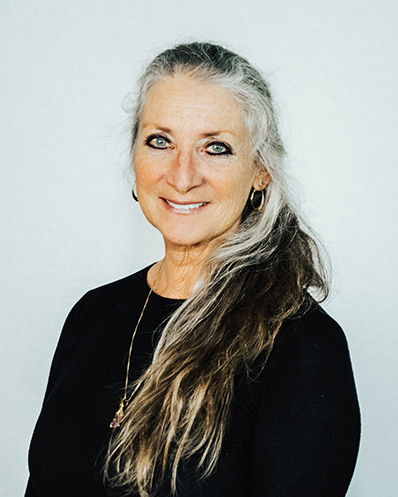 Elisabeth Anderson PA-CSpecialties
 Sandra Hazzard WHNP,CNM,FNP,DNPSpecialties
 Emily Shanafelt FNP-CSpecialties
 South Ogden Family Medicine | Ogden Clinic 5740 Crestwood Drive
 Cache Valley Ogden Clinic 2380 North 400 East, Suite A
 Providence Family Medicine | Ogden Clinic 382 W 280 N


 Logan River | Ogden Clinic 595 West 465 North
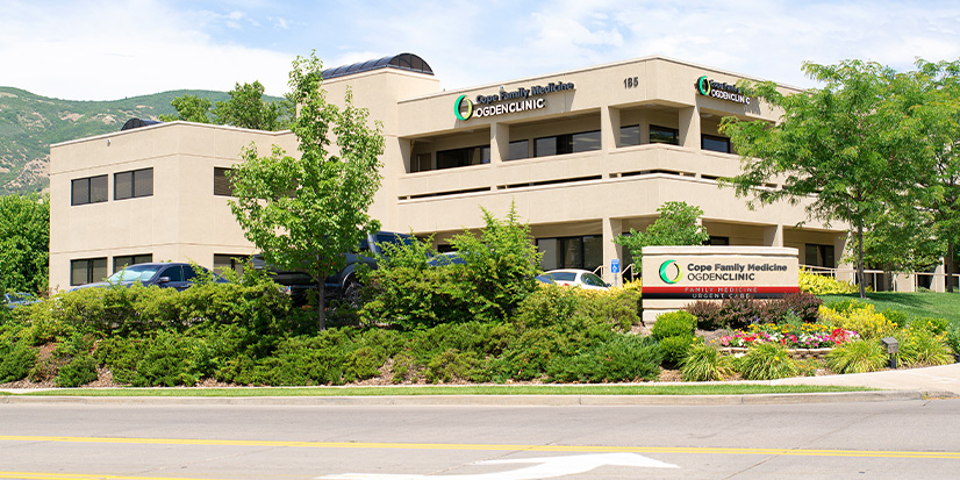 Cope Family Medicine, Urgent Care | Ogden Clinic 185 S 400 E
 Davis Family Physicians | Ogden Clinic 3225 W. Gordon Avenue











 GLP-1s and Women’s Health: Fertility, PMOS and Menopause
 I'm a Chiropractor and a Physiatrist | Who Should You See for Back Pain?


 Back to School Health Prep w/ Jonathan Williams, Pediatrician
 Brittany Kester, Naomi Harris, & 5 Adopted Dogs | Health Inspired, Life Inspired
 Chase Bailey, DNP Serves Haitians on Mission Trip | Health Inspired, Life Inspired
 Coronavirus Q&A
.2111101022090.jpg) Coronavirus Q&A with Dr. Nadim Bikhazi
Coronavirus Q&A with Dr. Nadim Bikhazi Coronavirus Update from NYC with Dr. Michael Hall
 Dr. Bryce Peterson Discusses the Joy of Patient Diversity
.2111100730323.jpg) Dr. Eggleston on Vaccines: "Diseases are only a plane ride away"
Dr. Eggleston on Vaccines: "Diseases are only a plane ride away".2111110752167.jpg) Ep. 22: Master Diving Experiences with Dr. Renee West | The Scope
Ep. 22: Master Diving Experiences with Dr. Renee West | The Scope Ep. 58: Dr. Peterson's RX for Reading Program | The Scope

